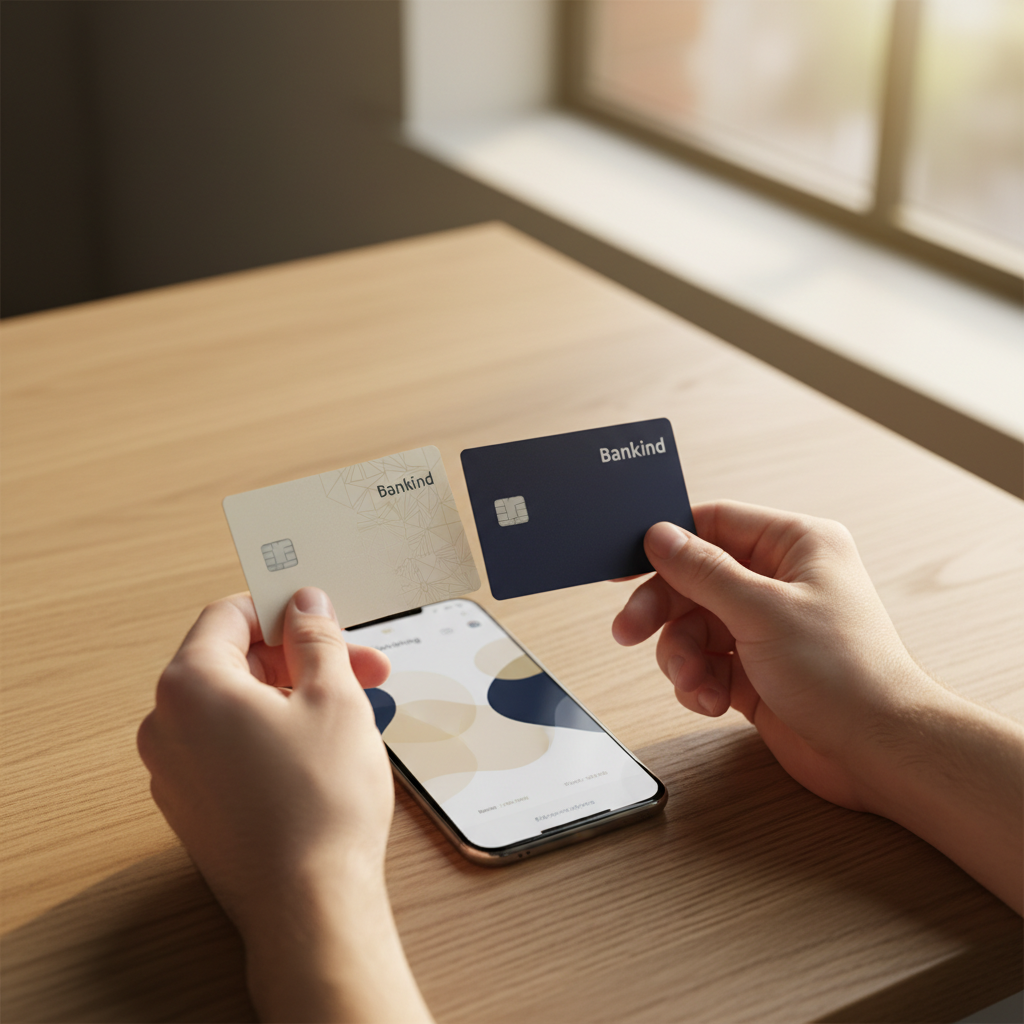
Why You Need a Checking Account to Start Your Financial Life
Opening your first checking account is more than just a financial chore; it is a rite of passage into adulthood and financial independence in the United States. Without one, you are forced to rely on expensive check-cashing services, pay-as-you-go money orders, and the risks of carrying large amounts of cash.
A checking account serves as your financial 'hub.' It is where your paycheck arrives, where your bills get paid from, and where you manage the money you need for daily life. Beyond convenience, having an account at a regulated financial institution ensures your money is safe, insured, and accessible via digital tools that make modern life manageable.
Understanding the Basics: What is a Checking Account?
Before diving into the paperwork, it is important to understand what you are signing up for. Unlike a savings account, which is designed to hold money for the long term, a checking account is built for frequent transactions.
Key Features of Checking Accounts:
- Liquidity: You can withdraw your money at any time via ATMs, teller windows, or electronic transfers.
- Debit Cards: Most accounts come with a plastic card that allows you to spend your balance at retailers or online.
- Electronic Payments: You can connect your account to apps like Venmo or PayPal and set up automatic bill payments for rent or utilities.
- Safety: In the US, most bank accounts are insured by the Federal Deposit Insurance Corporation (FDIC) for up to $250,000.
Step 1: Gather Your Required Documents and Information
You cannot simply walk into a bank and open an account with a handshake. US federal laws, specifically those related to 'Know Your Customer' (KYC) regulations, require banks to verify your identity. Before you apply, have these items ready:
- Government-Issued Photo ID: This is usually a driver's license, state ID card, or a passport.
- Social Security Number (SSN) or Individual Taxpayer Identification Number (ITIN): Banks use this to report interest to the IRS and to check your financial history.
- Proof of Address: You need to show you live where you say you do. A utility bill, lease agreement, or even a piece of official mail is usually sufficient.
- Initial Deposit: Many accounts require a small amount of money (anywhere from $25 to $100) to 'seed' the account and make it active.
Step 2: Choose the Type of Institution That Fits Your Needs
Not all places that hold money are the same. You generally have three choices:
Traditional National Banks
These are the big names with branches in almost every city. They offer the most convenience if you travel frequently or prefer in-person help, but they often have higher fees unless you meet specific requirements.
Credit Unions
These are member-owned non-profits. They often offer lower fees and better customer service than big banks, but their physical locations may be limited to a specific region or employment group.
Online-Only Banks
If you are comfortable doing everything on your phone, online banks often offer the lowest fees and highest interest rates because they don't have the overhead of physical buildings. However, depositing cash can be difficult with these accounts.
Step 3: Evaluate Common Costs and Find a 'No-Fee' Option
For a first-timer, the goal is to keep costs at zero. Banks make money through various fees, and you should look for an account that waives them. Watch out for:
- Monthly Maintenance Fees: A flat fee just for having the account. Look for 'No-Fee' accounts or accounts where the fee is waived if you use direct deposit.
- Overdraft Fees: This happens if you spend more money than you have. Many modern 'beginner' accounts now offer 'no-overdraft' features where the transaction is simply declined instead of charging you $35.
- ATM Fees: Avoid using ATMs that don't belong to your bank, or choose a bank that offers ATM fee reimbursements.
Step 4: The Application Process (Online vs. In-Person)
Opening Online
Most beginners today prefer the online route. It usually takes about 10 minutes. You will fill out a form with your personal details, snap pictures of your ID, and answer a few security questions to verify your identity.
Opening In-Person
If you have a complex situation—such as being under 18 (which requires a joint account with an adult) or if you are not a US citizen—opening in person might be easier. You can ask questions in real-time and walk out with your account number printed on paper.
Step 5: Funding Your Account and Setting Up Your Tools
Once your application is approved, the account isn't fully 'alive' until it has money in it.
- The Initial Deposit: You can transfer money from another bank, use a debit card from a prepaid account, or hand over cash at a branch.
- Set Up Direct Deposit: This is the most important step for beginners. Give your employer your new account and routing numbers. Having your paycheck land directly in your account often unlocks fee waivers and gives you faster access to your money.
- Download the App: Set up your digital login immediately. This allows you to track your balance daily so you never accidentally overspend.
- Activate Your Debit Card: Your card will usually arrive in the mail within 7-10 business days. You will need to call a number or use an ATM to set your PIN.
Common First-Timer Mistakes to Avoid
- Ignoring the 'Fine Print': Many 'free' accounts are only free if you make a certain number of transactions or keep a minimum balance. Make sure you can meet those rules.
- Not Tracking Pending Transactions: Your 'Available Balance' might show $100, but if you just spent $40 at a gas station that hasn't cleared yet, you only really have $60. Checking your app once a day prevents 'sticker shock.'
- Forgetting to Update Autopay: If you move your money to a new account but forget to update your Netflix or phone bill, you might face 'returned item' fees from the bank.
Maintaining Your Account for Long-Term Success
A checking account is a tool for your financial reputation. In the US, a system called ChexSystems tracks how people handle their bank accounts. If you bounce checks or leave accounts with a negative balance, it can be hard to open another account in the future.
Treat your checking account with respect: check your balance often, use alerts to notify you when your balance gets low, and always keep a small 'buffer' of $20-$50 extra in the account that you never touch. This simple habit will help you build a solid financial foundation that lasts a lifetime.
Frequently asked questions
Can I open a checking account with no money?+
While many banks require an initial deposit of $25 to $100, some online banks and 'second chance' accounts allow you to open the account with a $0 balance, provided you fund it within the first 30 to 60 days.
What happens if I am under 18?+
Individuals under 18 usually cannot open an account alone. You will likely need a parent or guardian to open a 'Joint' or 'Student' checking account with you as a co-signer.
What is the difference between an account number and a routing number?+
The routing number identifies your specific bank, while the account number identifies your specific personal 'bucket' of money. You need both to set up direct deposit or pay bills.
Do I need a job to open a checking account?+
No, you do not need employment to open an account. However, you will need a way to fund the account initially and a way to avoid monthly fees if the bank requires a minimum deposit amount.
Will opening a checking account affect my credit score?+
Generally, no. Most banks perform a 'soft pull' on your credit or check your history through ChexSystems, neither of which impacts your FICO credit score.