The 2026 Checking Account Landscape
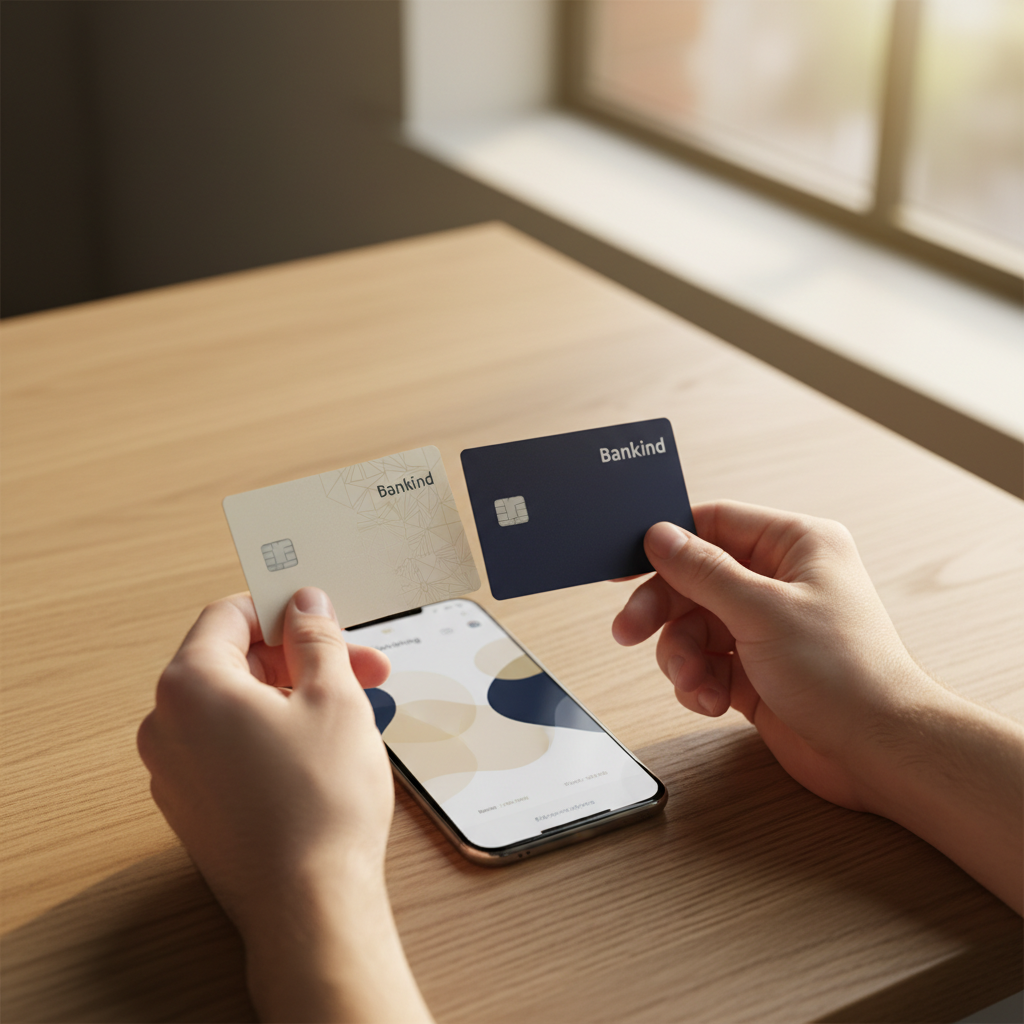
Selecting a checking account in today’s market is no longer a simple matter of walking into the bank on the corner. The industry has fragmented into several distinct categories, each catering to different financial behaviors. Whether you are a digital nomad, a small business owner, or someone who prefers the security of a physical vault, your choice of checking account can either cost you hundreds in annual fees or earn you significant interest income. This guide provides a rigorous side-by-side comparison to help you navigate these choices.
Comparison Matrix: Online Banks vs. Traditional Banks
When performing a checking account comparison, the first fork in the road is usually between digital-only fintechs and legacy institutions.
Online-Only Banks (e.g., Ally, SoFi, Discover)
- Pros: Significantly higher APYs, lower or zero monthly fees, robust mobile apps, and often generous ATM fee reimbursements.
- Cons: No physical branches for cash deposits; limited access to complex services like safe deposit boxes or medallion signatures.
Traditional Big Banks (e.g., Chase, Wells Fargo, Bank of America)
- Pros: Thousands of ATMs and branches, integrated wealth management services, and the ability to deposit large amounts of cash easily.
- Cons: Lower interest rates (often near 0%), more frequent monthly maintenance fees unless high balances are kept, and stricter overdraft policies.
High-Yield vs. Rewards Checking: Which Pays More?
For many, the goal is to make their money work harder. You will likely encounter two main types of incentive-based accounts: High-Yield and Rewards.
- High-Yield Checking: These accounts function similarly to savings accounts, offering an Annual Percentage Yield (APY) that can reach 1.00% or higher. These are best for individuals who keep a substantial liquid cushion (e.g., $5,000+) in their checking account at all times.
- Rewards and Cash Back Checking: These accounts focus on transaction volume. For example, a bank might offer 1% cash back on all debit card purchases up to a certain limit. For a high-frequency spender who doesn't maintain a large balance, this frequently outperforms a high-yield account.
Fee Structures and Hidden Costs to Watch For
The true cost of a checking account is often hidden in the fine print. When comparing accounts, look beyond the "No Monthly Fee" headline and check for these specific line items:
- Out-of-Network ATM Fees: Some banks charge $2.50 to $5.00 per transaction, plus whatever the ATM owner charges.
- Overdraft and NSF Fees: While many banks are moving away from $35 overdraft fees, some still charge them daily.
- Wire Transfer Fees: If you frequently move money for real estate or business, a $30 domestic wire fee can add up quickly.
- Foreign Transaction Fees: Crucial for international travelers, these typically range from 1% to 3% of every purchase made abroad.
Brick-and-Mortar Advantage: When In-Person Matters
Despite the rise of digital banking, traditional accounts remain a powerhouse for specific use cases. If your lifestyle involves handling large amounts of physical cash—such as being a tipped worker or an independent contractor—the digital-only model fails. Furthermore, some legal and financial processes, like obtaining a cashier’s check for a home purchase or getting documents notarized, are significantly easier when you have a local branch manager who knows your history.
Niche Checking: Second-Chance and Student Accounts
Not everyone qualifies for a standard account. If you have a history of bounced checks or unpaid bank fees, many "Top-Tier" accounts might deny your application via ChexSystems.
- Second-Chance Checking: These are designed to help consumers rebuild their banking history. They often have monthly fees and lack overdraft privileges but provide a path back to a standard account.
- Student Checking: Usually fee-free until age 24 or graduation, these are excellent introductory tools but often require a transition plan once the student enters the workforce full-time.
Decision Guide: Which Account Matches Your Workflow?
To make the right choice, align your account with your most common financial activities:
- The Yield-Seeker: Choose an online high-yield account. Minimum requirements are low, and the lack of overhead allows the bank to pass interest directly to you.
- The City Dweller: If you live in a major metro area, a traditional big bank with an ATM on every corner might be worth the small monthly fee for the sheer convenience.
- The Traveler: Look for an account that offers zero foreign transaction fees and unlimited worldwide ATM fee rebates (e.g., Charles Schwab or Betterment).
- The Relationship Builder: If you plan on taking out a mortgage or business loan soon, opening checking at a Credit Union or local bank can help you secure better interest rates on loans later.
The Final Verdict: Making the Switch
You are not married to your bank. If your current checking account offers 0.01% interest and charges you $12 a month, you are losing money. The current market is highly competitive, and many banks offer sign-up bonuses ranging from $100 to $600 just for switching your direct deposit. Compare the options above against your last three months of bank statements to see where you could have saved on fees or earned on interest. Once you find the right fit, the process of switching is usually a simple digital application that takes less than ten minutes.
Frequently asked questions
What is the difference between a checking and savings account?+
Checking accounts are designed for daily transactions like debit purchases and bill pay, while savings accounts are intended for wealth accumulation and usually have limits on monthly withdrawals.
Can I have more than one checking account?+
Yes. Many people use a 'hub and spoke' model, keeping a traditional bank for cash deposits and an online account for high-interest earnings.
Are online banks safe compared to traditional banks?+
Yes, provided they are FDIC-insured. FDIC insurance protects your deposits up to $250,000 per depositor, per institution, regardless of whether the bank has physical branches.
Do I need a minimum balance to open a checking account?+
It depends on the bank. Many online banks have $0 minimums, while traditional banks may require $25 to $100 to open and a higher daily balance to waive monthly fees.
What is ChexSystems?+
ChexSystems is a reporting agency that tracks your history with checking accounts. Banks use this report to decide whether to let you open a new account based on your history of overdrafts or fraud.